
Sustainable Fashion and Meaningful Visual Storytelling
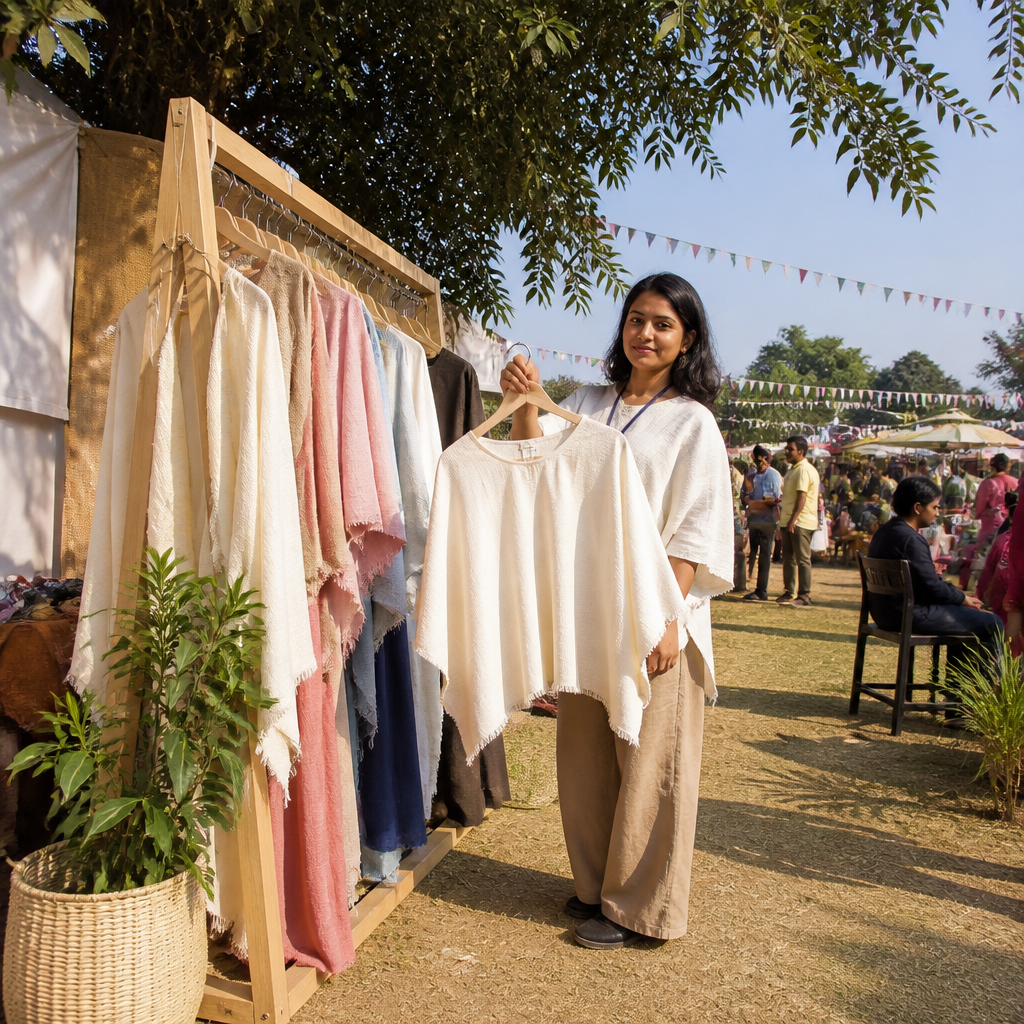
Sustainable fashion is a transformative movement within the textile and apparel industry that prioritizes environmental responsibility, ethical labor practices, and long-term social impact. As consumers become increasingly conscious of ecological footprints and ethical consumption, the industry has witnessed a surge in brands and designers adopting sustainable principles. Complementing this evolution, new photographic trends have emerged that seek to reflect these values through imagery that tells meaningful stories beyond mere aesthetics. Such photography captures not only the beauty of sustainable fashion but also its ethical narratives, empowering consumers with deeper engagement and understanding. According to McKinsey’s 2023 State of Fashion report, over 50% of consumers now consider sustainability an important factor in purchasing decisions, highlighting the growing relevance of this topic. This article explores the symbiotic relationship between sustainable fashion and modern photographic trends, emphasizing how purposeful visual storytelling amplifies global sustainability discourse.
Defining Sustainable Fashion in the Context of Visual Narrative
Sustainable fashion is defined by the United Nations Environment Programme (UNEP) as “a sector of the fashion industry that promotes practices reducing environmental impact, ensuring fair labor practices, and supporting circular lifecycle models.” It incorporates a lifecycle approach, including sourcing raw materials, manufacturing, distribution, consumption, and post-consumer waste management. Key characteristics include the use of organic or recycled fibers, non-toxic dyes, reduced water and carbon emissions, and fair wages.
Visual storytelling in sustainable fashion aims to embody these principles by crafting images that do more than display clothing — they express the ethical journey behind the products. This involves authentic, often documentary-style photography that highlights makers, materials, and the environmental context. New photographic trends emphasize transparency, narrative depth, and emotional resonance to engage viewers, shifting from traditional commercial aesthetics to story-centric visuals. This dual focus supports a wider cultural awareness and responsibility toward fashion consumption.
Hyponyms of Sustainable Fashion: Ethical Apparel and Slow Fashion Photography
Within the broader umbrella of sustainable fashion, several specialized forms exist such as ethical apparel and slow fashion. Ethical apparel refers specifically to garments produced under fair labor conditions, often spotlighting artisanship and cultural preservation. Slow fashion emphasizes quality, longevity, and mindfulness in consumption, counteracting fast fashion’s disposability.
Photographically, slow fashion and ethical apparel inspire imagery that embraces natural environments, human stories, and the tactile quality of garments, serving as hyponyms to the larger “sustainable fashion photography.” These forms reject staged studio shoots in favor of honest, location-based, and context-rich visuals. For instance, Patagonia’s campaigns often feature raw nature backdrops and worker profiles to reinforce brand values and product origin.
Emerging Trends in Photography Aligned with Sustainable Fashion
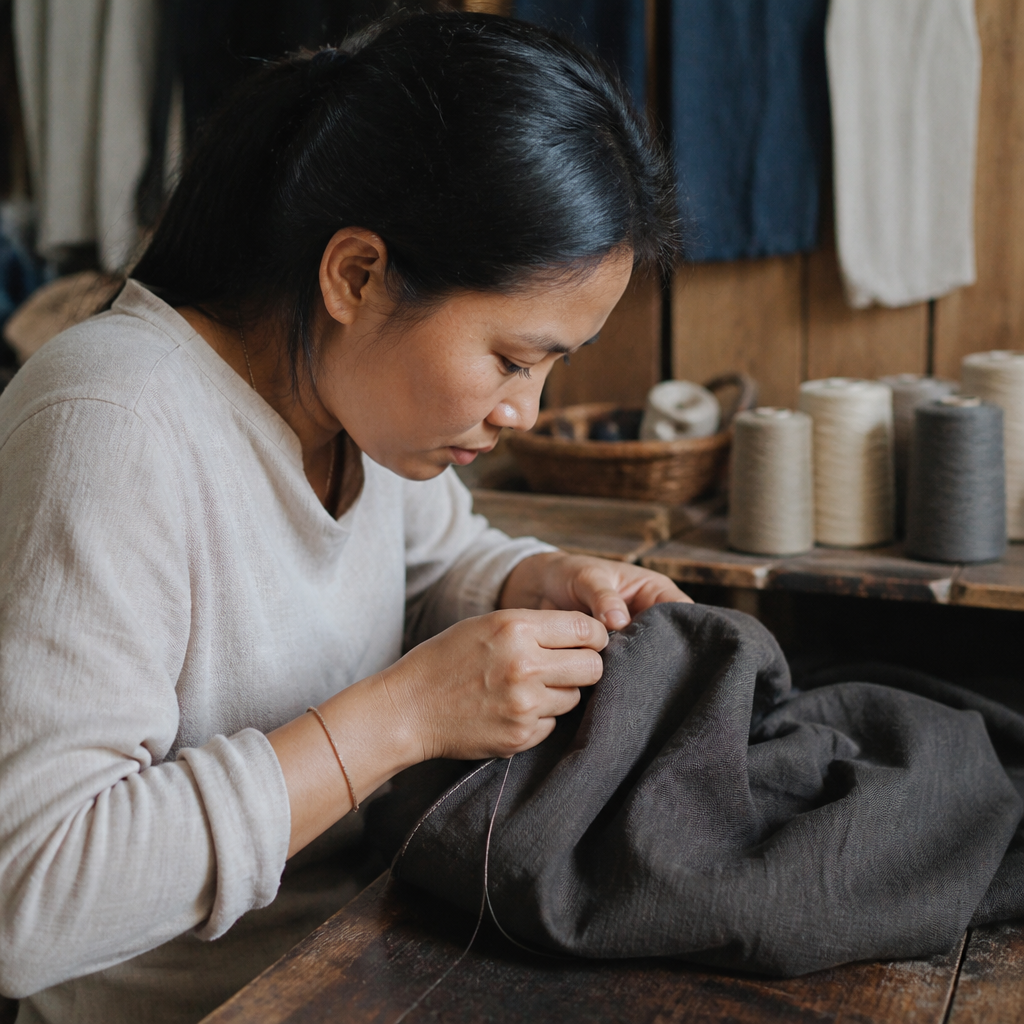
Modern photographic trends complementing sustainable fashion include documentary style, minimalist aesthetics, and user-generated content (UGC). Documentary photography captures real-life narratives, focusing on the people behind fashion production and the environmental landscapes impacted. Minimalism reduces distractions, highlighting natural textures and simplicity that mirror sustainable ethos. UGC empowers consumers to share their own authentic sustainable fashion experiences, fostering community engagement.
Documentary Photography and Ethical Storytelling
Documentary photography in sustainable fashion centers on transparency and accountability, often revealing the human and environmental aspects of garment production. Photojournalist Olivia Bee’s collaborations with sustainable brands demonstrate how candid images of artisans and manufacturing processes create empathy and trust. According to a 2022 Getty Images report, 62% of consumers are more likely to buy from brands showing authentic behind-the-scenes content.
Minimalist and Nature-Inspired Visuals
Minimalist photography reduces clutter and artificial elements, emphasizing texture, material quality, and form—key elements in communicating sustainability. Nature-inspired backgrounds, such as forests, oceans, and fields, visually connect fashion to its ecological context. Brands like Stella McCartney use this trend to reinforce their commitment to eco-friendly production, often showcased in their digital lookbooks.
User-Generated Content: Democratizing Sustainable Fashion Imagery
Platforms like Instagram and TikTok have democratized fashion photography, allowing consumers to document and share their sustainable fashion choices. This grassroots visual storytelling validates and amplifies brand messaging while fostering a community around shared values. Nielsen’s 2023 Consumer Trust Index showed that 79% of people trust peer reviews and content over traditional advertising, making UGC a critical component for sustainable fashion promotion.
Impact of Meaningful Visual Storytelling on Sustainable Fashion’s Reach and Influence
Meaningful visual storytelling enhances consumer education and engagement, bridging the gap between abstract sustainability claims and tangible realities. This approach influences behavior by encouraging mindful shopping habits and increasing brand loyalty. Case studies from brands like Eileen Fisher show that integrating authentic storytelling into marketing led to a 30% increase in consumer retention and a stronger identity as a sustainability leader.
Moreover, such visual narratives contribute to industry transparency, as consumers demand greater clarity about product origins and impact. The Fashion Revolution’s annual Transparency Index reveals that brands effective in communicating their stories visually tend to score higher on transparency metrics, encouraging the broader industry shift toward openness and responsibility.
Conclusion: The Symbiosis of Sustainable Fashion and New Photography Trends
In summary, sustainable fashion represents an ethical reorientation of an industry historically challenged by waste and exploitation, while new photographic trends provide a powerful tool for articulating this transformation. Through documentary storytelling, minimalist aesthetics, and user-generated content, visual narratives deepen consumer understanding and foster emotional connections to sustainability values. This synergy not only enhances brand credibility and market appeal but also contributes to a global cultural shift toward more responsible consumption.
Given the growing consumer demand and environmental urgency, fashion brands, photographers, and marketers are called to embrace this integrated approach. Further research and innovative collaborations at the intersection of sustainable design and meaningful imagery will be vital. For readers interested in exploring this field further, seminal reports by McKinsey, UNEP, and the Fashion Revolution offer comprehensive insights into sustainability metrics and storytelling strategies.